


Insight
Why Digital Twins Matter More Than Ever

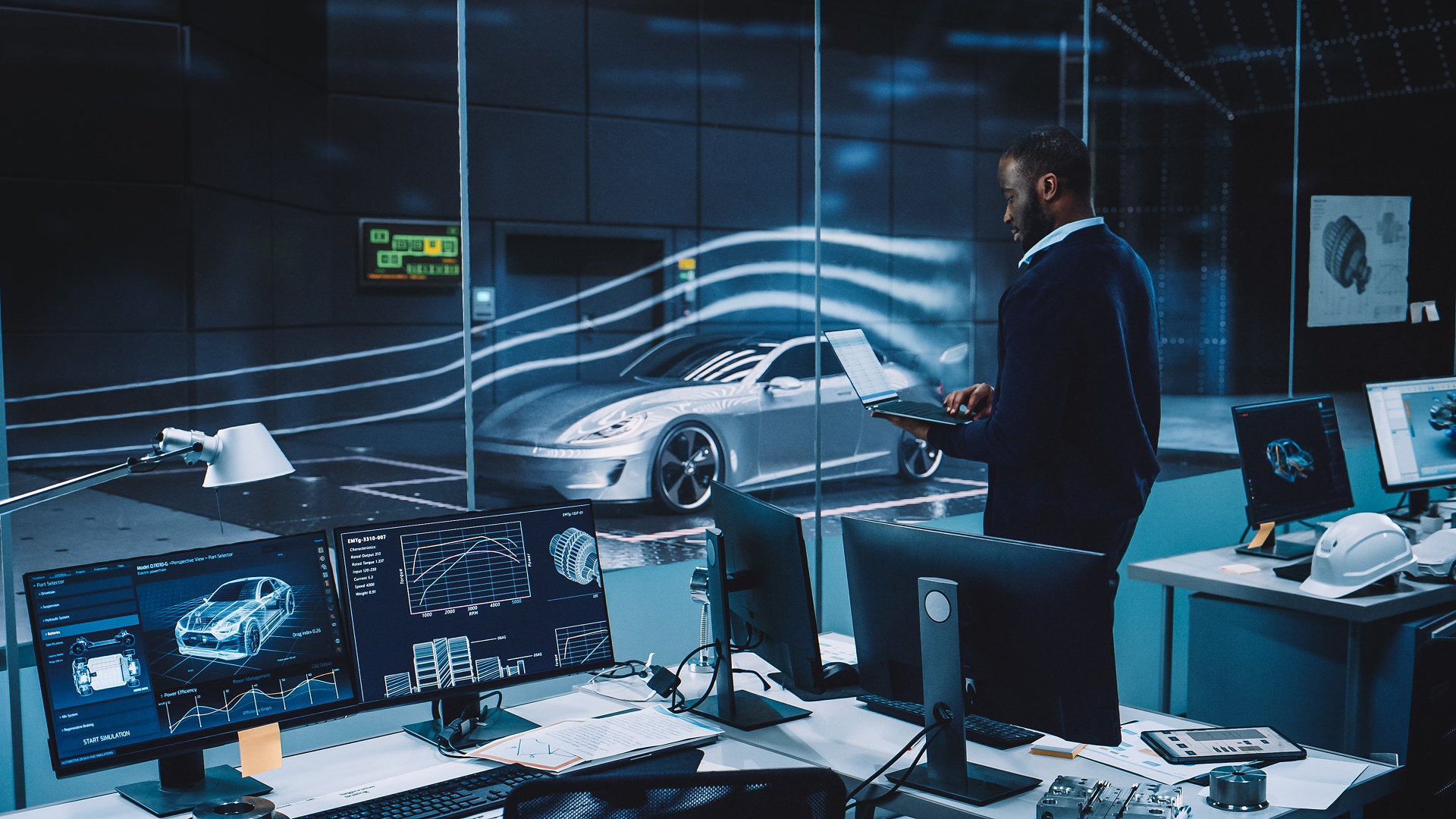
Digital twins give engineers a real-time, virtual mirror of their physical systems. By combining simulation, sensor data and historical analysis, they enable faster validation, more accurate predictions and smarter decision-making from concept through to in-service performance.
A Real-Time Mirror of Physical Systems
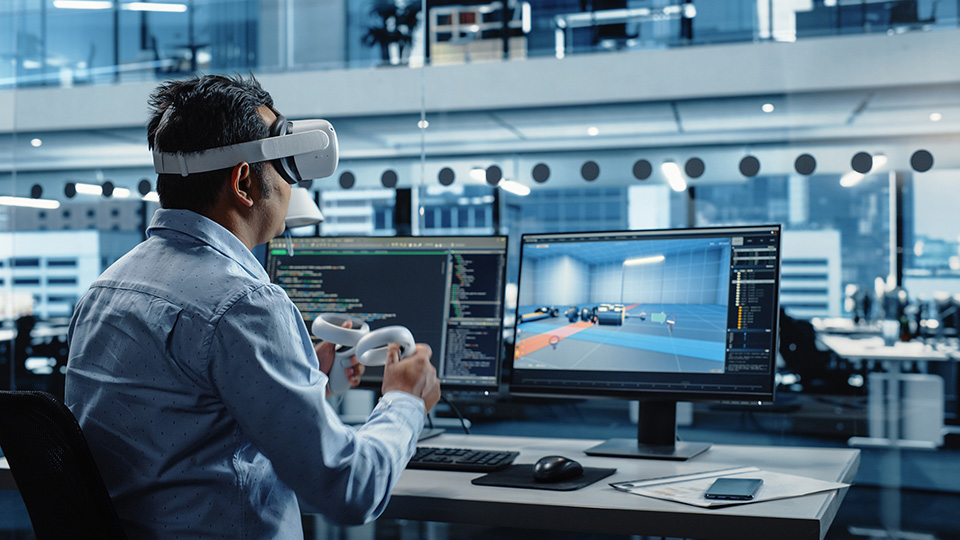
At its core, a digital twin is a dynamic digital representation of a physical component, assembly or entire system. Unlike traditional simulation models, digital twins are continuously updated with real-world data — from sensors, telemetry, test rigs or fleet information.
This allows teams to monitor performance in real time, detect anomalies quickly and understand how components behave under actual operating conditions.
Predicting Performance With Greater Accuracy
The combination of simulation data, physical measurements and historical trends makes digital twins incredibly powerful tools for prediction. Engineers can explore “what-if” scenarios, validate changes and forecast how a system will perform months or even years into its lifecycle.
These insights enable:
- Earlier detection of weakness
- More accurate failure predictions
- Better-informed design improvements
- Smarter maintenance planning
The result is a more resilient, better-optimised product.
Reducing Cost and Accelerating Development
Physical testing is expensive and time-consuming. Digital twins allow many validation tasks to move into the virtual world, reducing the number of prototypes required and significantly cutting development cost.
By validating ideas digitally first, teams can:
- Reduce design iterations
- Accelerate decision-making
- Spot issues before build
- Optimise components earlier
- Minimise track or lab time
This creates a more efficient, cost-effective development pipeline.
Continuous Improvement Throughout the Lifecycle
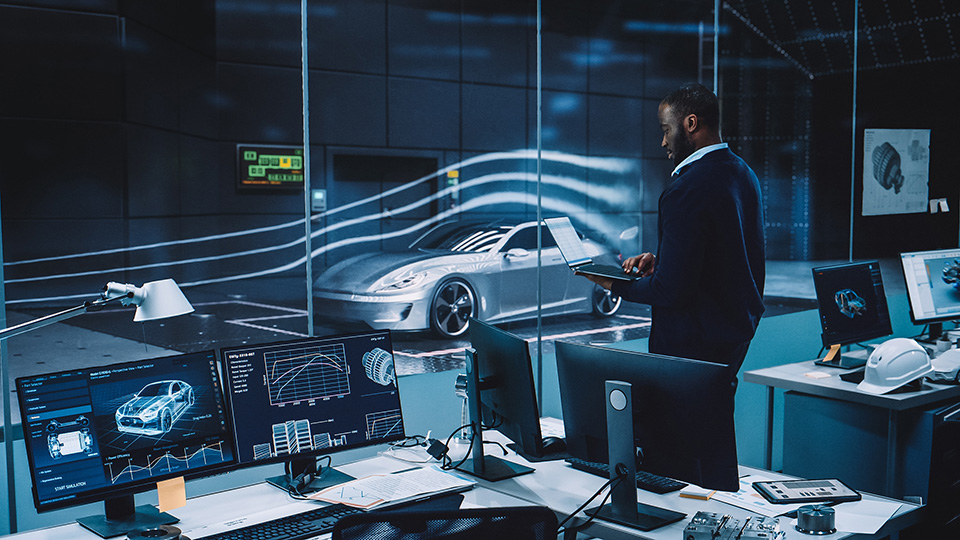
One of the greatest strengths of digital twins is their ability to support the entire lifecycle of a product. As the system operates in the real world, data feeds back into the twin, improving its accuracy and enabling ongoing optimisation.
This helps teams:
- Monitor long-term reliability
- Improve future designs
- Adjust performance based on usage
- Enhance safety and durability
In effect, every hour of real-world operation makes the digital twin — and the engineering behind it — smarter.
“Digital twins turn engineering from a one-off event into a continuous learning process.”
Future-Proofing Engineering Strategy
With industries moving quickly towards electrification, autonomy and connected systems, digital twins will become even more crucial. When paired with AI-driven analytics, the next generation of digital twins will be capable of autonomous optimisation, predictive maintenance and intelligent design exploration.
Digital twins don’t just matter more than ever — they are becoming fundamental to the way modern engineering is done.
INSIGHTS/ CASE STUDIES HEADING

SUBSCRIBE TO OUR NEWSLETTER
Join our newsletter to stay up to date on features and releases.

